The Utopia of Care // Utopia grijii (RO) 2025
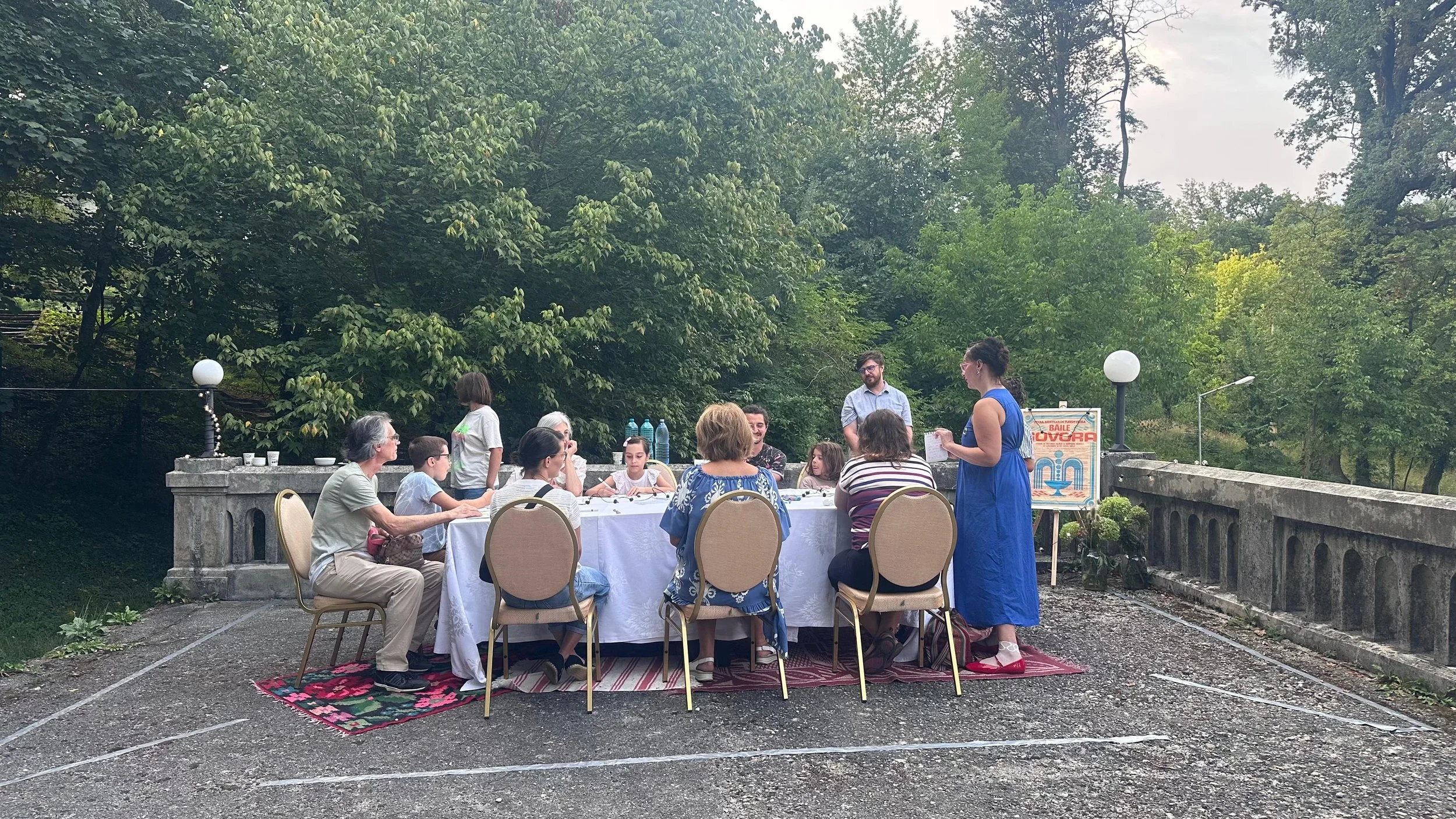
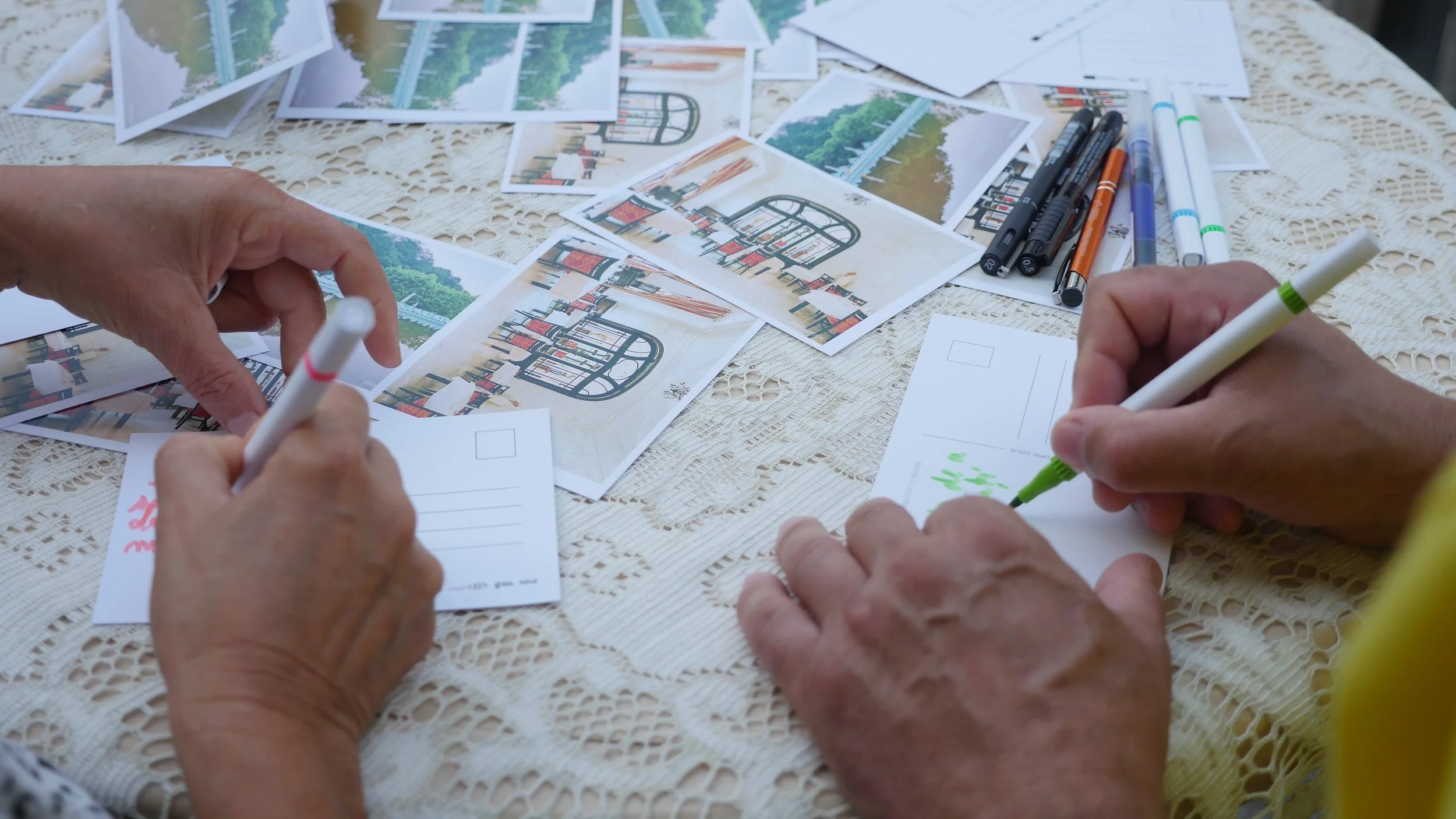
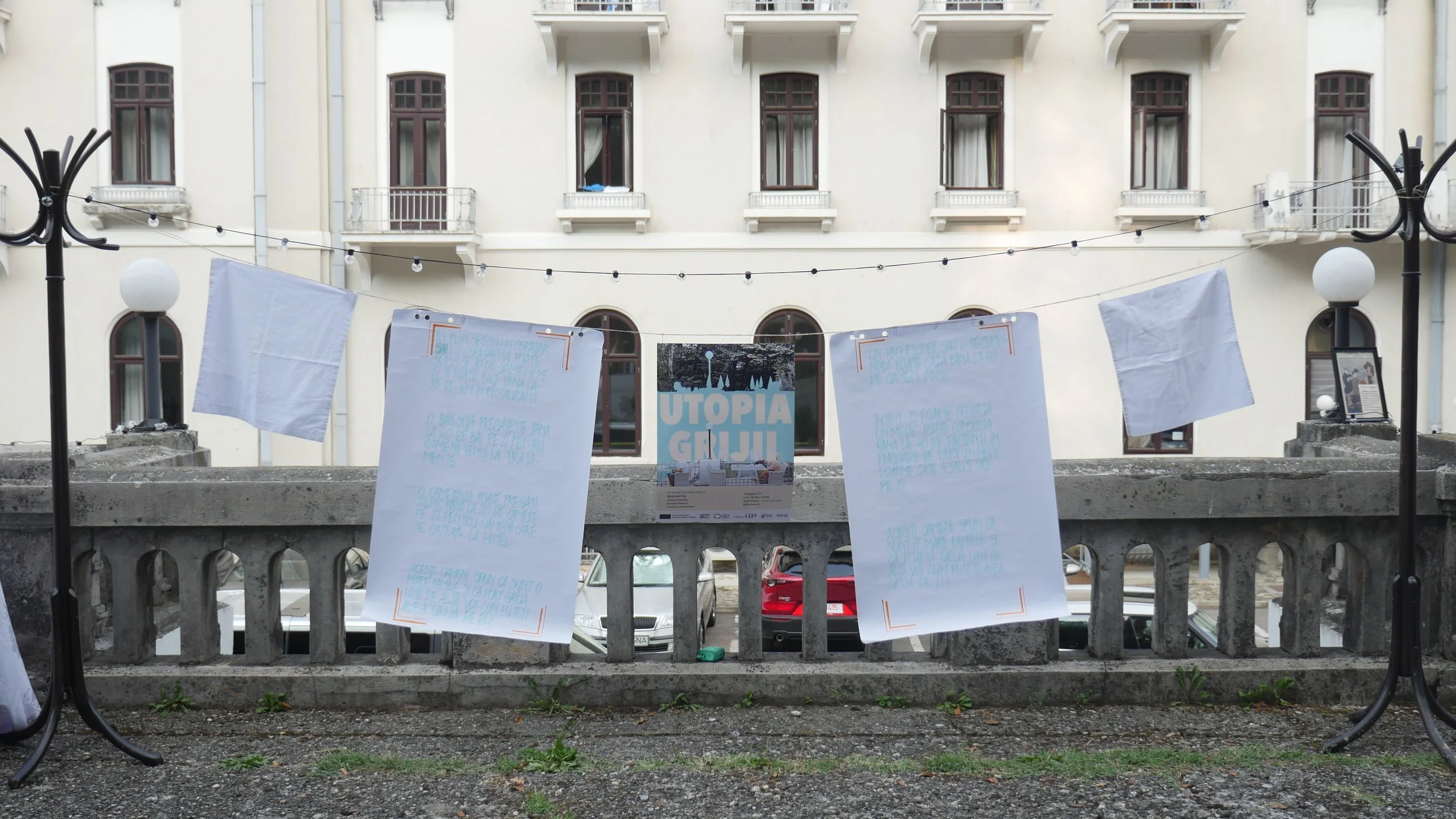
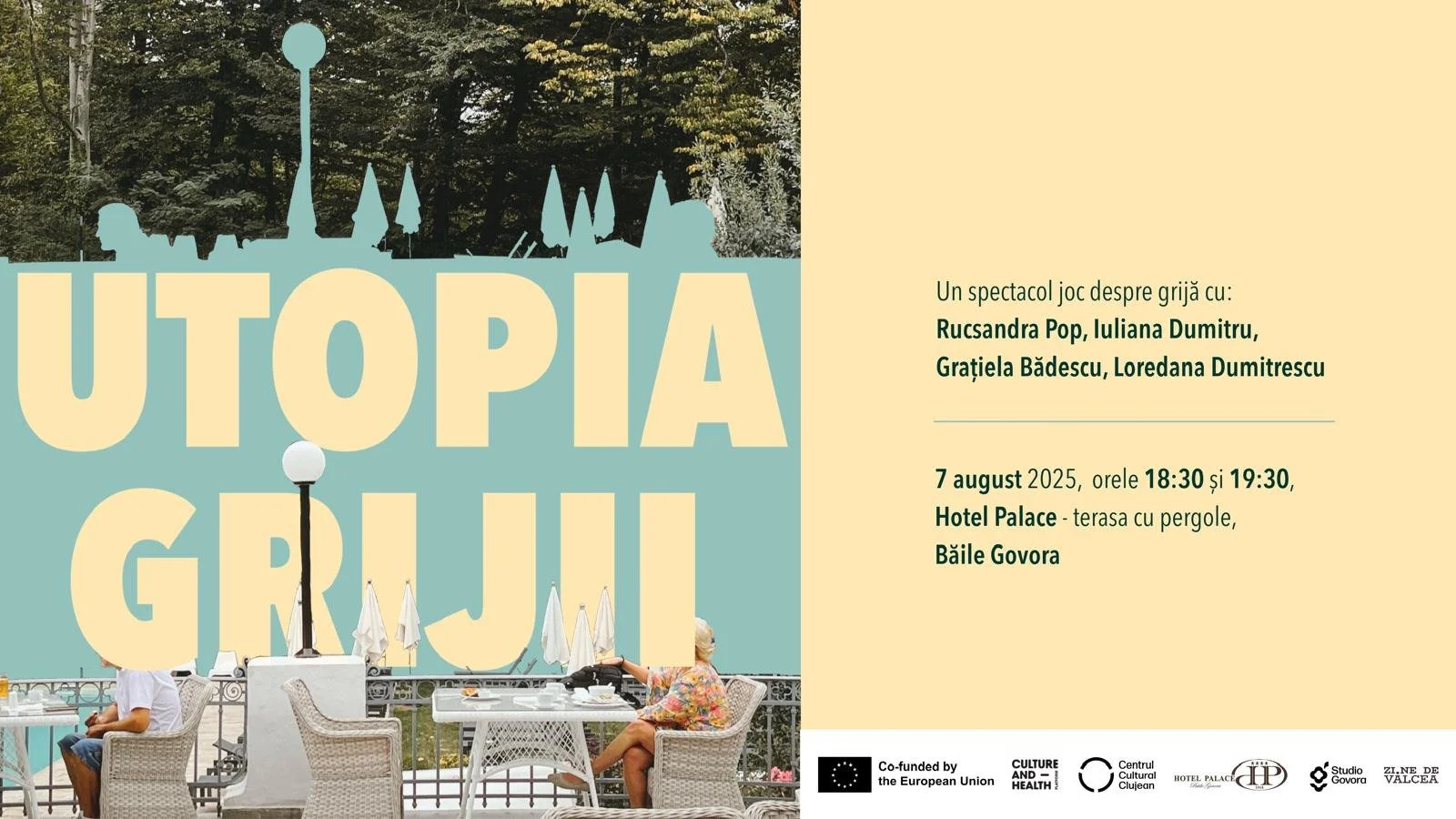
Băile Govora is a spa resort in southern Romania, offering treatments for respiratory and rheumatic diseases since the late 1800s. Initially, I went to Govora as a tourist, enjoying the curative qualities of the waters and the strongly ionized air. Later, Studiogovora, a local organization preserving the local heritage, invited me to put on my anthropologist hat. Observing the local dynamics, a few questions popped into my mind: Is it possible that by being nostalgic about Băile Govora's glorious past, people enjoy the present less, preventing the future from emerging? What is the real ethos of the place? What are the main ingredients of care and wellness, and how can people become more aware of them and cultivate them?In the summer of 2025, I invited playwright Loredana Dumitrescu, actress Grațiela Bădescu, and socio-anthropologist Iuliana Dumitru to artistically investigate these questions. The plan was to find answers collaboratively with hospitality workers, medical staff, and balneal tourists—the caregivers and those receiving care. As part of the research, we documented daily care routines and familiarized ourselves with the local geography and architecture, which play an important role in the healing process. In our long conversations, participants reflected on their relationship with health and well-being. Patients were encouraged to become more aware and proactive in claiming their care needs, transforming the care received during their spa holiday into a shared responsibility. Medical staff reflected on their relationship with patients and their own well-being, collaboratively exploring how empathy and communication can improve healthcare quality. Discussions with hospitality workers focused on their essential, often invisible, role in the care process. Throughout these conversations, we sought to understand how authentic human relationships can transform a medical interaction into a form of support and comfort for both sides.Based on this research, we created a performance-game imagining an ideal care scenario for patients and caregivers. The gathered information was transformed into visual materials for the show. Attendees were invited to an open space – the pergola in front of the Palace Hotel – where we recreated their health-centered holiday experience. Each of us – the artist-researchers – hosted one of the areas of this ideal spa-hotel. Participants were greeted by Iuliana Dumitru, who invited them to the reception hosted by Loredana Dumitrescu. Here, people left their worries on a piece of paper before proceeding into the game. They could then choose whether to step into the doctor's office or the restaurant. At the restaurant, which I hosted, participants were offered cards with questions about care, in addition to refreshments. The atmosphere was generally relaxed, although one spectator became emotional to the point of tears when asked: "What is the easiest way to take care of yourself?" Another question that stirred emotions, especially among women, was: "Did anyone teach you to take care of yourself?" In the doctor’s office, hosted by Grațiela Bădescu, each participant received a personalized cultural treatment, which might include listening to a favorite song daily for a week, reading a specific book, or enjoying a painting. The general conclusions indicated that while we excel at caring for others, we often lack the tools or routines for self-care, and rarely question how we prefer to be cared for ourselves. The performance generated powerful emotional responses, sparking personal reflections and authentic intergenerational dialogues about health and care. It also deepened mutual empathy among patients, medical staff, and hospitality personnel, creating new bridges of communication within the community.
Team:
Artists-researchers: Rucsandra Pop, Iuliana Dumitru, Grațiela Badescu, and Loredana Dumitrescu. Visual identity and poster design: Andreea Strineholm.Set design: Alexandra Duță
Partners: Băile Govora SA, Studiogovora, and Zi.Ne de Vâlcea.
The initiative was supported by the Cluj Cultural Centre through the CultureAndHealth platform, co-funded by the European Union.
Press: https://zinedevalcea.ro/baile-govora-acolo-unde-grija-contribuie-la-vindecare/